Zhejiang Lohas Pet Supplies Co., Ltd.
News
News

Why High Velocity Pet Hair Blower For Large Dogs Matters for Double Coats

2026-10-22 0 Leave me a message

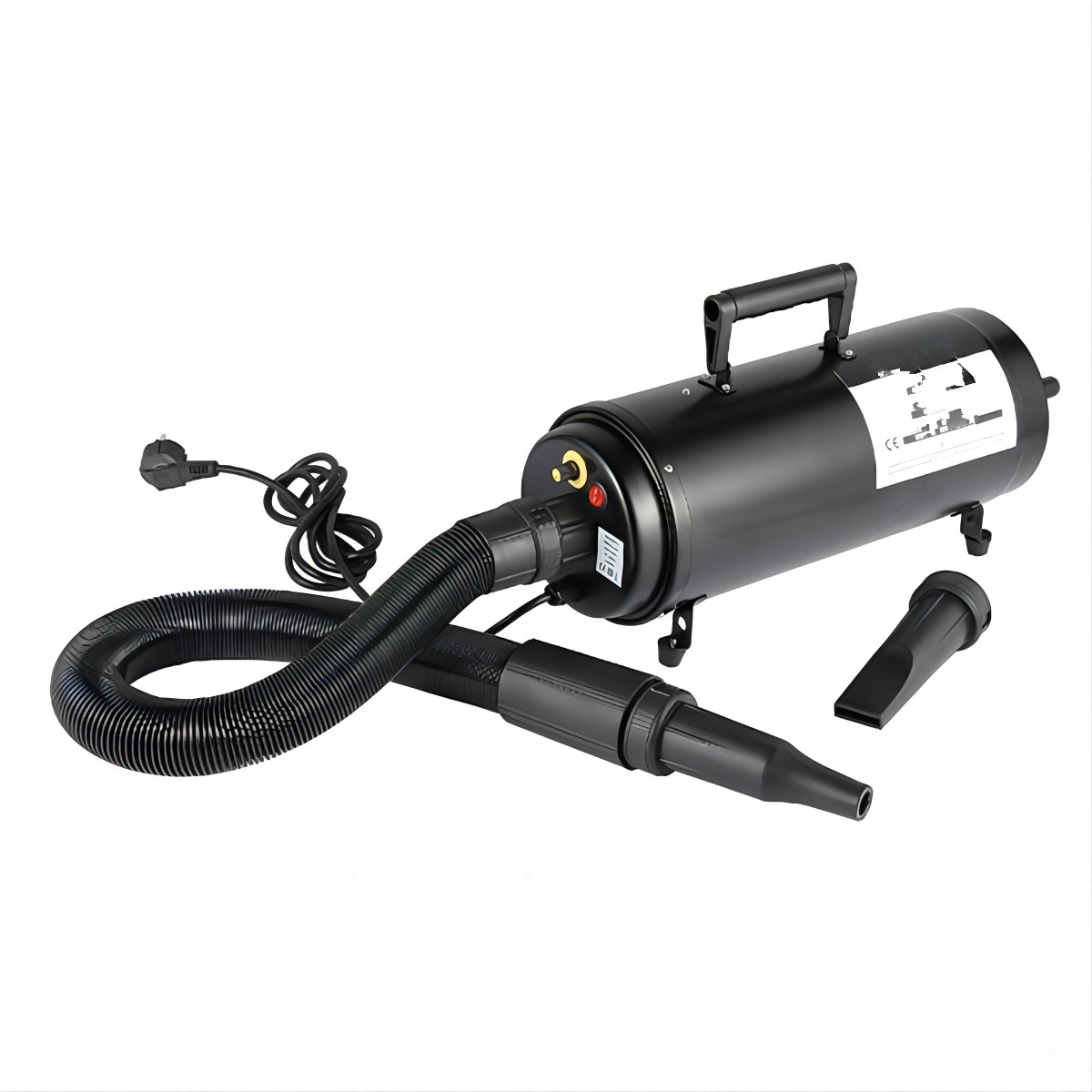
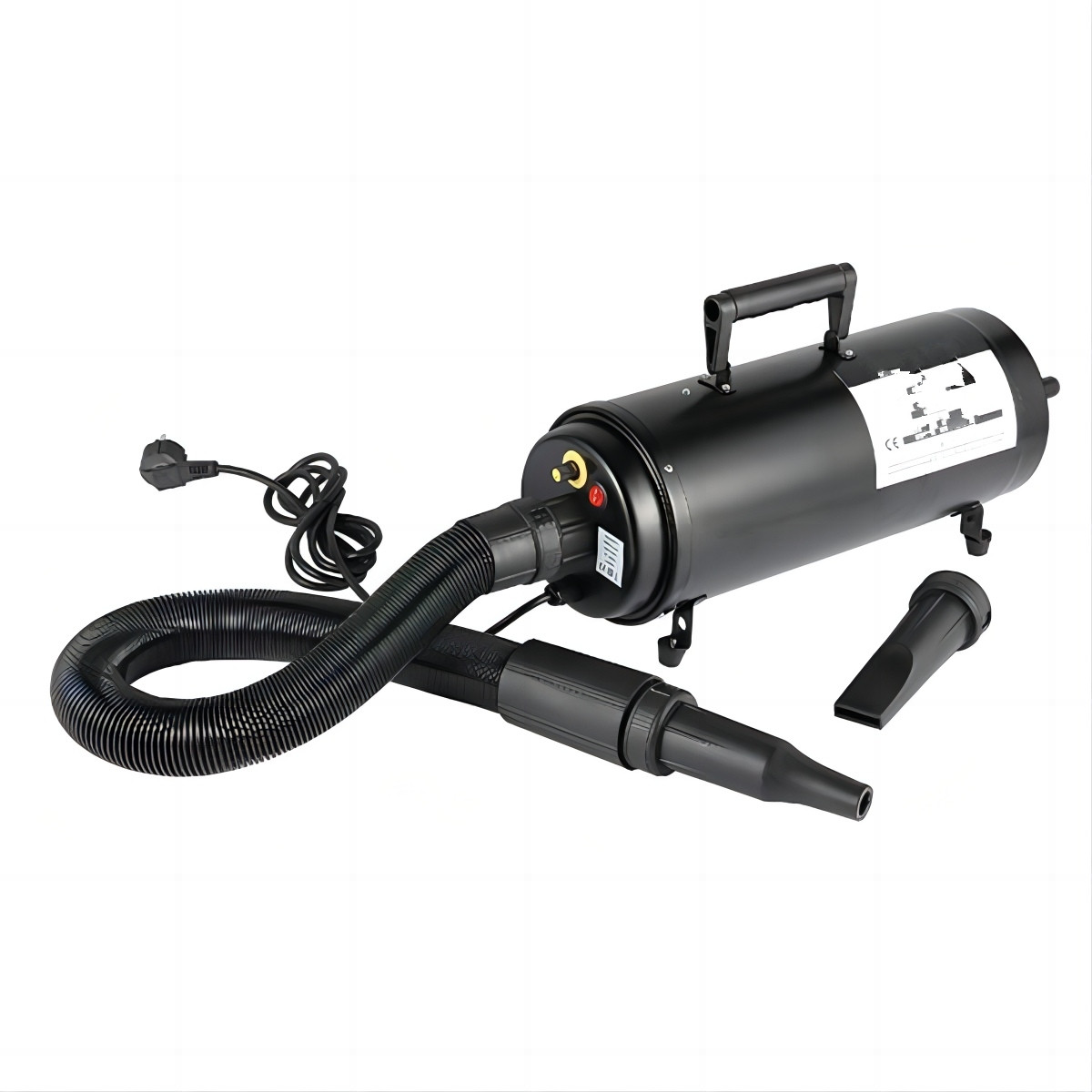
The High Velocity Pet Hair Blower For Large Dogs is relevant to a growing challenge in professional pet grooming: removing moisture and loose undercoat from dense double coats without making the drying process unnecessarily difficult.

Large breeds such as Golden Retrievers, German Shepherds, Siberian Huskies, and Samoyeds often have two distinct layers of fur. The outer coat helps protect against environmental conditions, while the softer undercoat provides insulation. This structure makes coat maintenance different from drying a short-haired dog, particularly after bathing or during seasonal shedding.

For grooming professionals, understanding how airflow interacts with these coat layers is essential to planning an effective and comfortable drying routine.

Why Double Coats Take Longer to Dry

A double coat can hold moisture beneath its outer layer, even when the surface appears relatively dry. Dense undercoat also makes it harder for air to reach the areas closest to the skin.

Towel drying helps remove excess water, but it may not be sufficient for breeds with thick or long coats. If moisture remains trapped within the fur, brushing and finishing can take longer.

The challenge becomes more noticeable with large dogs because their body size and coat coverage increase the amount of fur that needs attention.

High Velocity Pet Hair Blower For Large Dogs

The Difference Between Surface Drying and Undercoat Drying

A coat that looks dry does not necessarily feel dry throughout. Areas around the neck, chest, hindquarters, and behind the ears can require closer inspection because dense fur may retain moisture.

High-velocity airflow helps move water away from the coat through directed air rather than relying exclusively on heat. This can make it useful for loosening dead undercoat and separating dense fur during grooming.

However, airflow alone does not determine drying time. Coat density, initial moisture, nozzle distance, airflow settings, and the dog's tolerance all influence the process.

How High-Velocity Airflow Supports Grooming

Traditional warm-air drying and high-velocity blowing serve different purposes. Warm air contributes heat, while a high-velocity blower primarily uses moving air to displace water and loosen loose fur.

For double-coated breeds, this distinction matters because excessive heat is not a substitute for effective airflow. A suitable drying method focuses on moving moisture out of the coat while keeping the animal comfortable.

Grooming Challenge Role of High-Velocity Airflow
Water remains beneath the outer coat Helps move moisture away from dense fur
Loose undercoat accumulates during shedding Helps dislodge loosened hair
Thick areas dry unevenly Allows targeted airflow across different coat sections
Large body size increases grooming time Supports a more organized drying routine

These benefits depend on appropriate technique. Strong airflow should not be directed carelessly toward the eyes, ears, nose, or other sensitive areas.

Why Large Dogs Need a Different Drying Approach

A drying routine suitable for a small, short-haired dog may not work equally well for a large breed with a dense undercoat.

Large dogs often require more time to inspect and dry individual sections. Groomers may need to divide the coat into manageable areas, changing the direction of airflow to reach different layers.

The High Velocity Pet Hair Blower For Large Dogs fits into this process as a tool for managing heavy coats and supporting undercoat removal during grooming.

A More Structured Drying Routine

A practical routine begins with removing excess water using towels. The coat can then be dried section by section, with airflow adjusted to suit the dog's response and coat condition.

Groomers should monitor the animal throughout the process, allowing breaks when needed. Dogs that are anxious about noise or moving air may need gradual introduction and a quieter, lower-intensity setting.

The goal is not to apply maximum airflow at all times. Controlled technique and continuous observation are more important than simply choosing the strongest setting.

Seasonal Shedding Adds Another Challenge

Double-coated breeds commonly shed undercoat more heavily during seasonal coat changes. Loose hair can accumulate quickly, particularly in large dogs with extensive coat coverage.

High-velocity blowing can help release loosened hair, reducing the amount that remains trapped within the coat. This can make subsequent brushing more productive.

Nevertheless, blowing should complement regular brushing rather than replace it. Mats, tangles, skin irritation, and abnormal shedding require separate attention. A blower should not be used to forcefully separate tightly matted fur or conceal underlying skin problems.

Safety and Comfort Remain Essential

High-velocity equipment can produce considerable noise and strong airflow. Both factors matter when working with animals that may be sensitive to unfamiliar sounds or physical sensations.

Suitable practices include introducing the equipment gradually, maintaining a comfortable distance, avoiding sensitive areas, and checking the dog's behavior throughout drying. Airflow and temperature should be adjusted according to the equipment instructions and the individual animal.

A successful grooming process balances moisture removal, coat condition, and animal welfare. Faster drying is useful only when the procedure remains appropriate for the dog.

What This Means for Modern Pet Grooming

Large-breed coat care requires more than powerful equipment. Understanding coat structure, preparing the fur properly, controlling airflow, and monitoring moisture all contribute to an effective routine.

The High Velocity Pet Hair Blower For Large Dogs is most relevant where dense coats, substantial shedding, and lengthy drying stages create recurring grooming challenges. Its role is to support moisture removal and undercoat management, while professional judgment determines the appropriate technique for each animal.

As grooming practices become more focused on coat-specific care, airflow management is an important consideration in equipment selection and daily workflow planning. Zhejiang Lohas Pet Supplies Co., Ltd. operates in the wider pet-care equipment sector, where grooming tools are part of an ongoing shift toward more organized and breed-conscious care. Ultimately, the best drying routine combines suitable equipment, controlled airflow, and close attention to the dog's comfort.

Related News
Leave me a message
X
We use cookies to offer you a better browsing experience, analyze site traffic and personalize content. By using this site, you agree to our use of cookies. Privacy Policy
RejectAccept