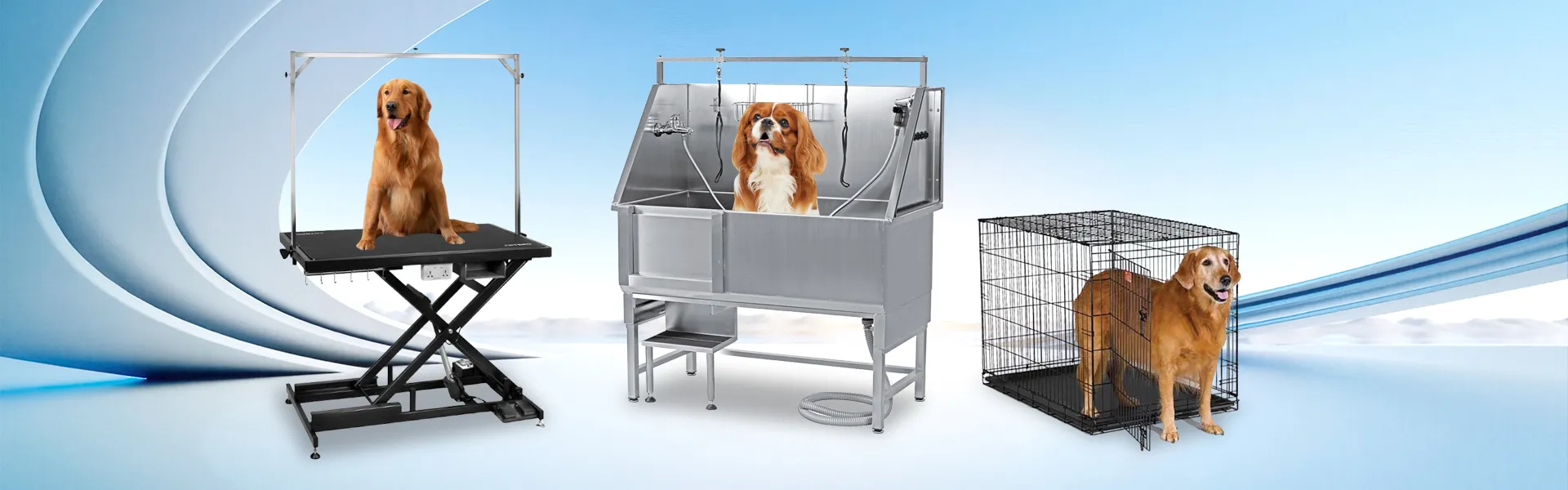
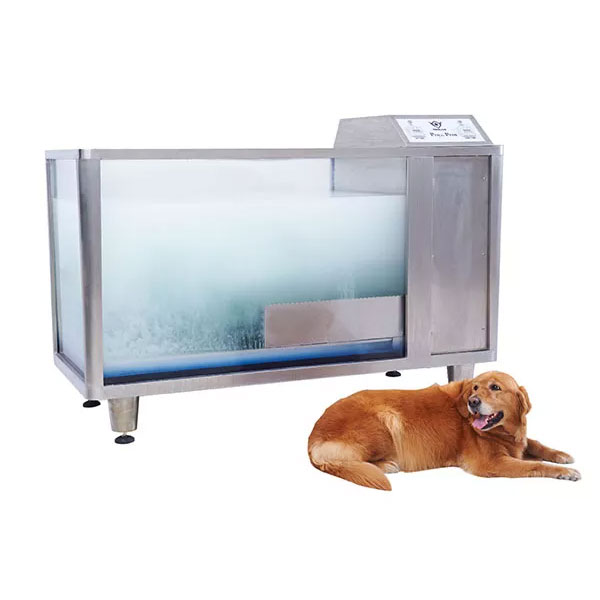
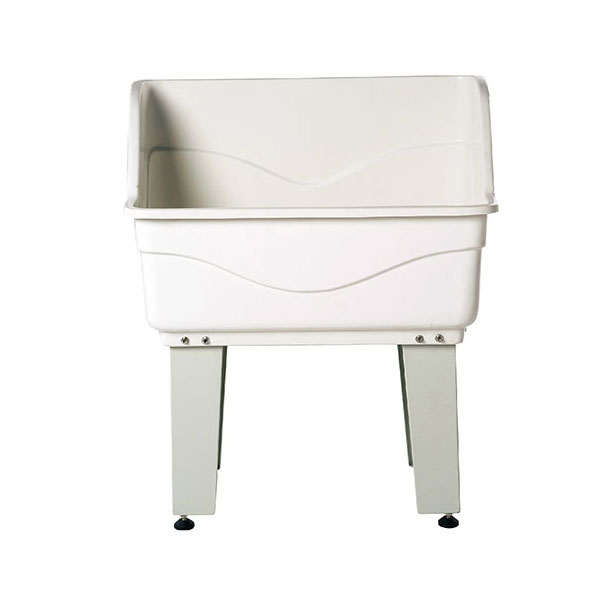
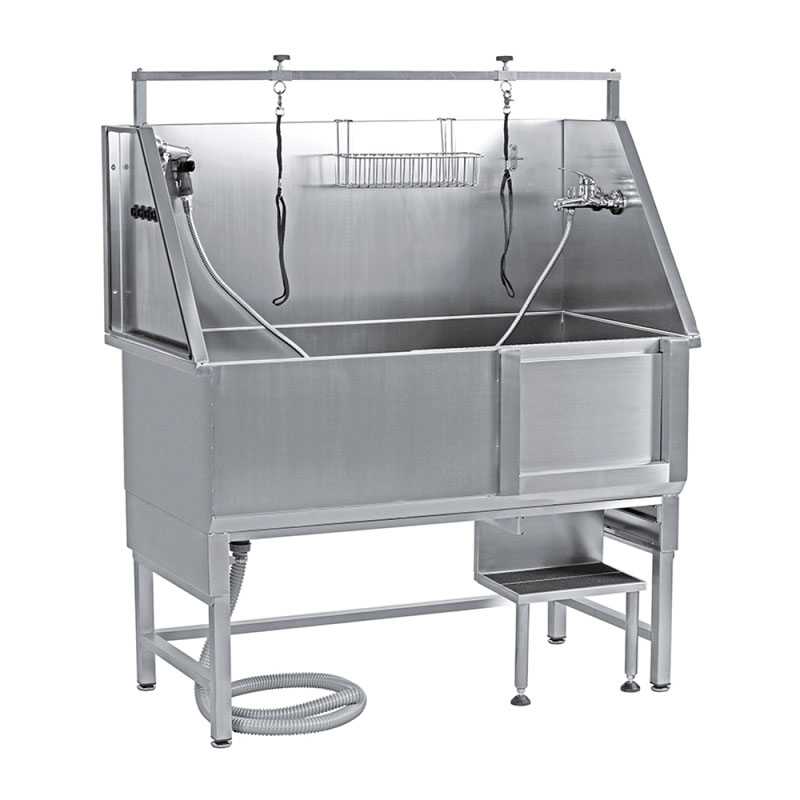
Facing a crowded market of stainless steel tubs, portable units, and electric lift systems, how do buyers make smart decisions? Drawing on the latest data and product design trends, this guide delivers professional insights for selecting and using the right bathing solution.
Three core factors are driving current market growth:
Ergonomics & Occupational Health: Chronic back strain from bending over a low tub is an industry epidemic. Electric lift tubs and tall-profile designs (36–42 inches in height) are becoming standard to reduce repetitive strain injuries.
Aging Pet Population: As pets live longer, senior dogs and cats face more joint issues. Tubs featuring low-angle, non-slip ramps (instead of high step‑over side doors) are seeing significant sales growth.
At‑Home Spa Culture: More owners are choosing DIY grooming, fueling demand for compact, plug‑and‑play home grooming stations.
Don't shop by price alone. Evaluate every tub against these four professional dimensions.
While plastic and acrylic options exist, 304 stainless steel remains the top choice for professional settings.
Durability: It resists scratching from claws, chemical corrosion from shampoos, and rusting in humid environments.
Hygiene: The non‑porous surface won't harbor bacteria and is easy to disinfect — critical for preventing cross‑contamination.
Buyer beware: Check steel gauge. Premium models use seamless welded construction to eliminate leak risks.
Safety is the lifeline of grooming.
Non‑Slip flooring: The tub bottom must have textured coating or a PE drainage mat to prevent panic‑induced injuries on wet surfaces.
Ramp design: For large or arthritic pets, ramps should feature a 30–40° incline and side rails to prevent falls.
Restraint points: Built‑in loops or tie‑rings help groomers safely limit a pet's movement during washing or drying, but they must be adjustable for comfort.
Modern tubs are evolving into integrated workstations.
Sprayer & Water Control: Dual‑pressure sprayers (gentle/power modes) and thermostatic mixing valves are key. They improve both pet comfort and task efficiency (e.g., degreasing or medicated baths).
Storage: Built‑in soap/shampoo dispensers and base cabinets (e.g., holding 24 lbs) keep the workspace organized and efficient.
A great tub fails if it doesn't drain properly.
Floor drain design: Commercial settings usually require central floor drains and sloped floors. Home setups need the tub near a washer hookup, plus a high‑efficiency hair trap to prevent clogs.Based on current market research, here are the standout solutions for different use cases.
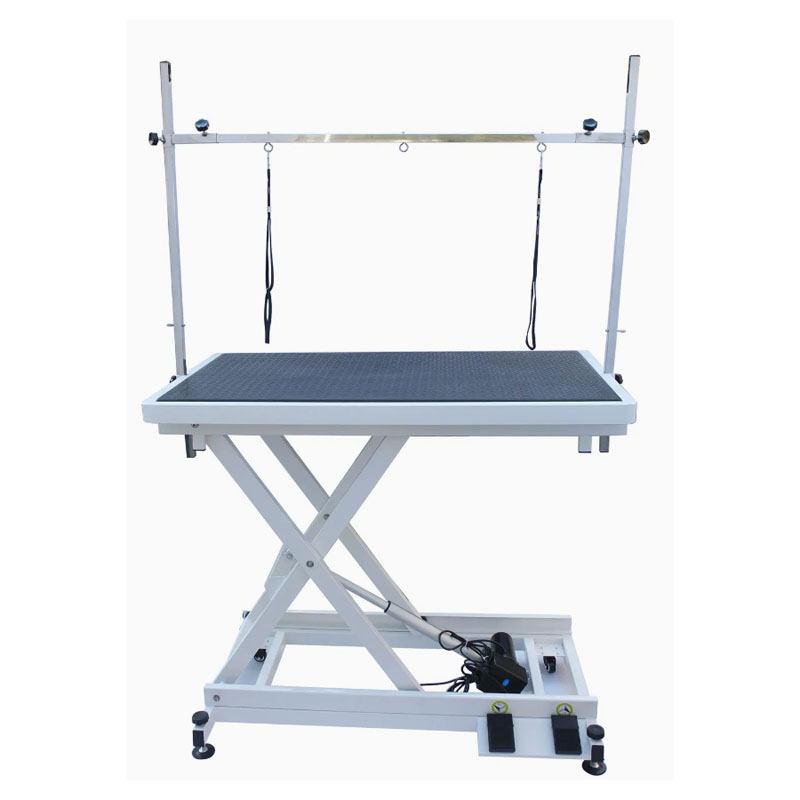
Why it matters: Electric lift functionality allows groomers to work at different heights, dramatically reducing back strain. Some 50‑inch models can support 330–440 lbs, suitable for breeds from Corgis to Golden Retrievers.
Best for: High‑volume pet stores and veterinary hospitals.
Why it matters: All‑in‑one designs eliminate the hassle of buying accessories separately. The non‑slip ramp door serves as both entry/exit and a splash guard when closed.
Best for: Home laundry rooms, garages, or backyard grooming stations.
Why it matters: Wall‑mount folding tubs save floor space. Despite smaller footprints, they still offer proper drainage and textured non‑slip bases.
Best for: Urban apartments or mobile grooming vans.
Tomorrow's pet grooming tubs will become even smarter.
AI Personalization: Tubs will automatically recommend optimal water pressure and shampoo volume based on a pet's breed and weight.
Water Conservation & Eco‑Design: As environmental awareness grows, tubs made with eco‑friendly materials and equipped with water recirculation filters will gain market share.
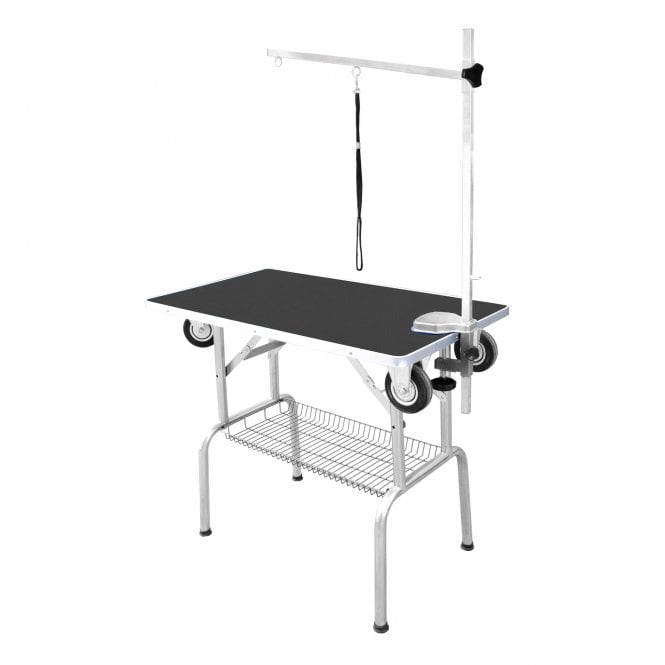
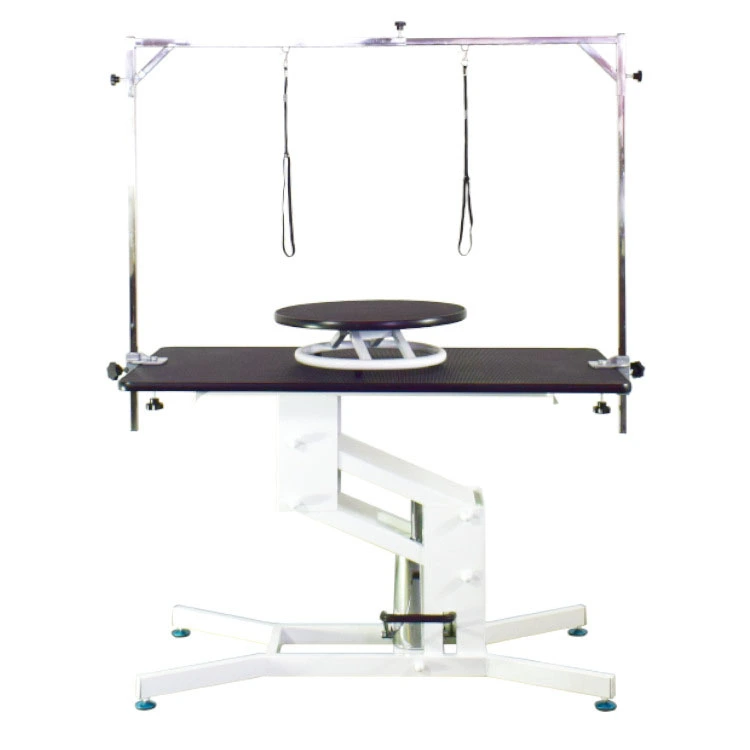
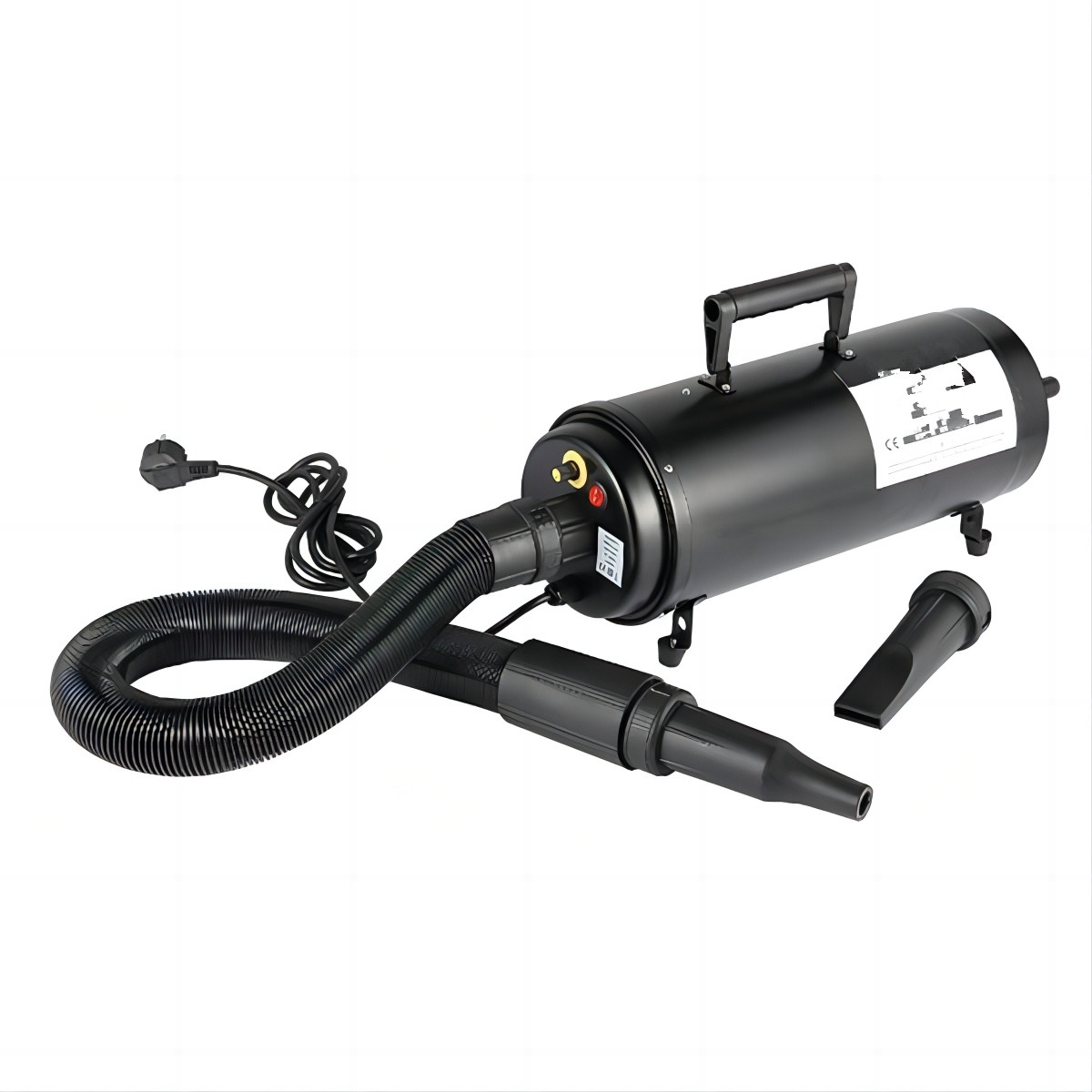
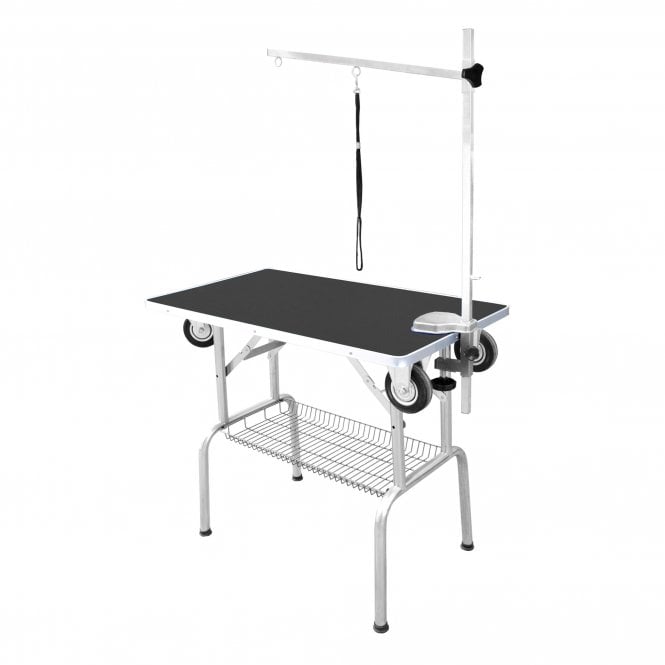
All‑in‑One Grooming Stations: Tubs will no longer stand alone. They will integrate seamlessly with drying tables and grooming arms, creating standardized workflow lines.
-