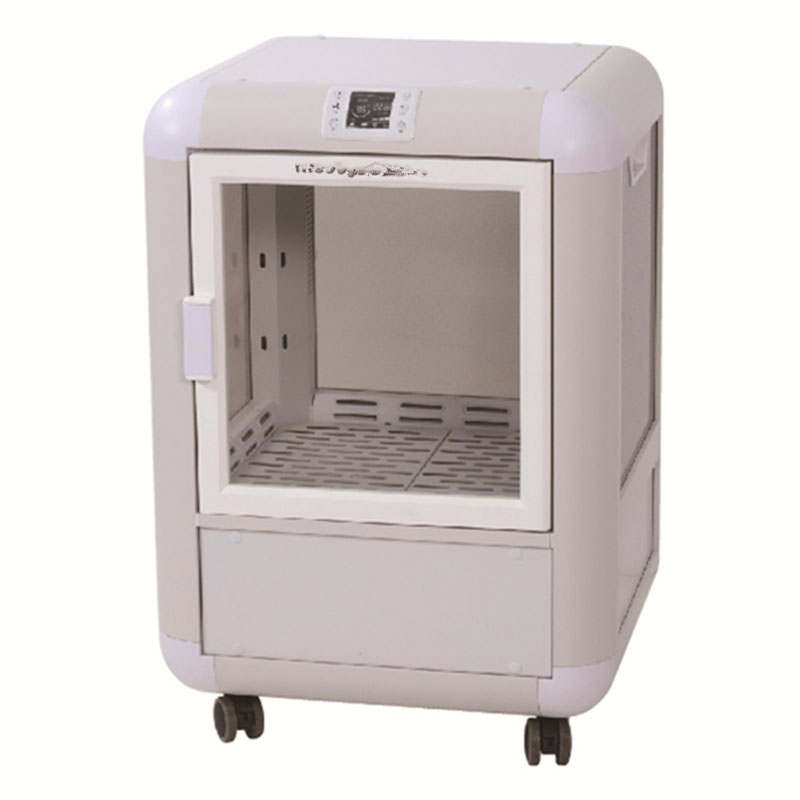
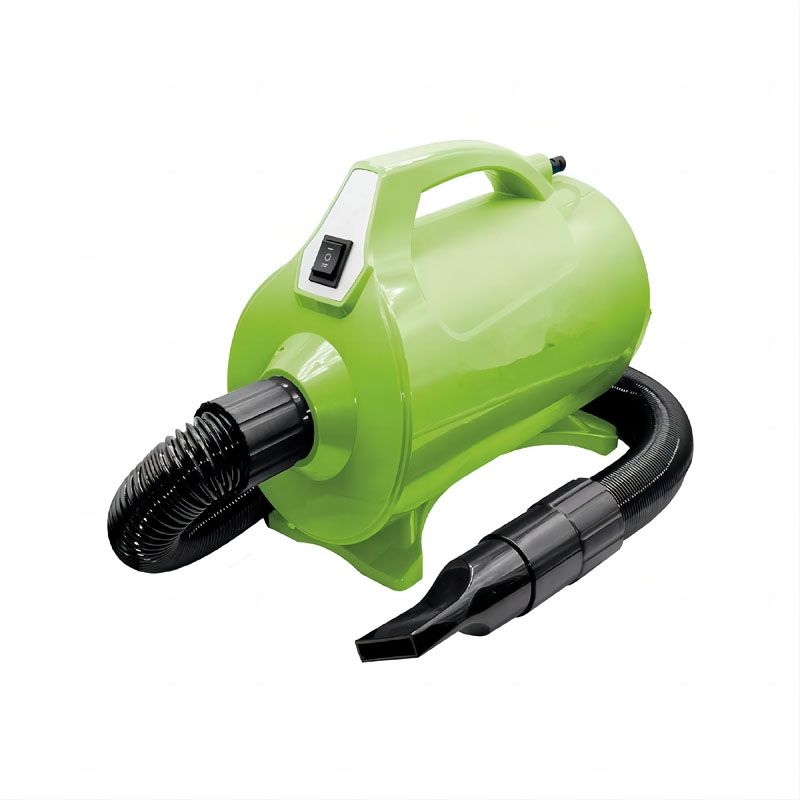
Pet grooming essentially follows a complete process of "cleaning → drying → styling → final care," divided into a basic home version (suitable for short-haired/small pets for daily care) and a professional detailed version (suitable for long-haired/pets requiring styling, for pet shops/advanced home use). The key during the process is to ensure the pet's comfort and safety, preventing struggles and injuries from tools. Below is a clear and detailed operation guide, covering general points for cats and dogs + specific considerations for different breeds:
Preparation: 2 core things that determine the success of grooming
1. Pet Comfort (of utmost importance, to avoid stress/struggling)
Allow the pet to familiarize itself with the environment 10-15 minutes in advance, interacting with treats and toys, avoiding directly placing them on the grooming table;
For timid/resistant pets, start with brushing and petting to relax them, then gradually proceed with bathing and trimming, providing gentle reassurance throughout, and avoiding forceful actions.
2. Tool/Environment Preparation
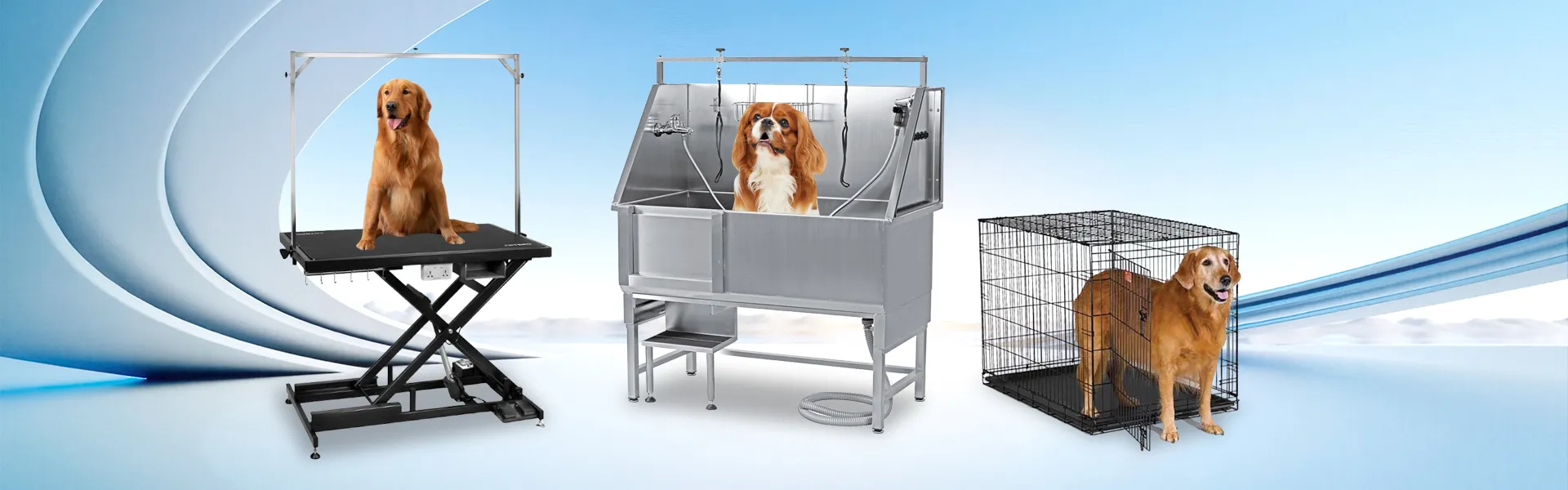
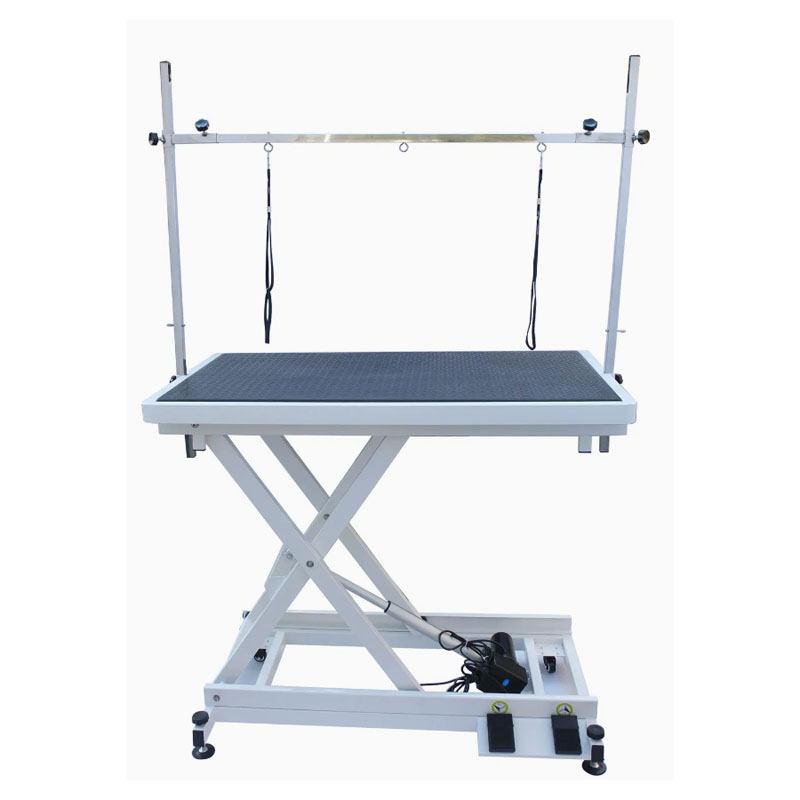
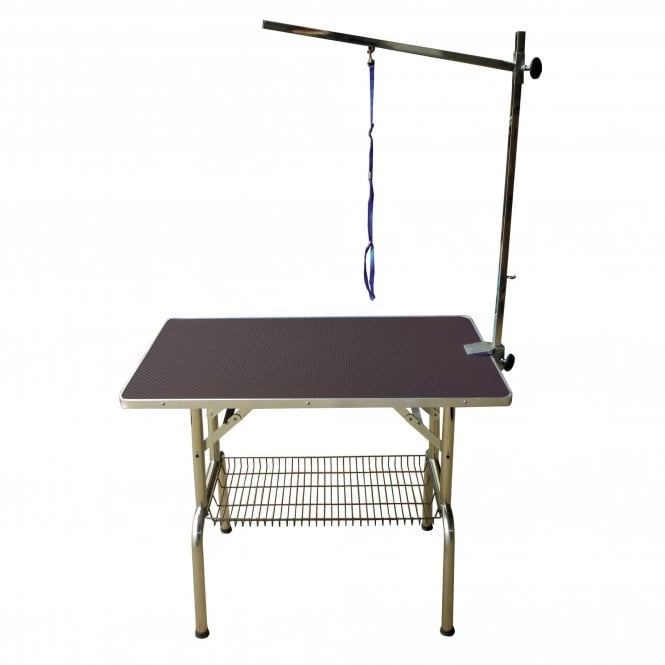
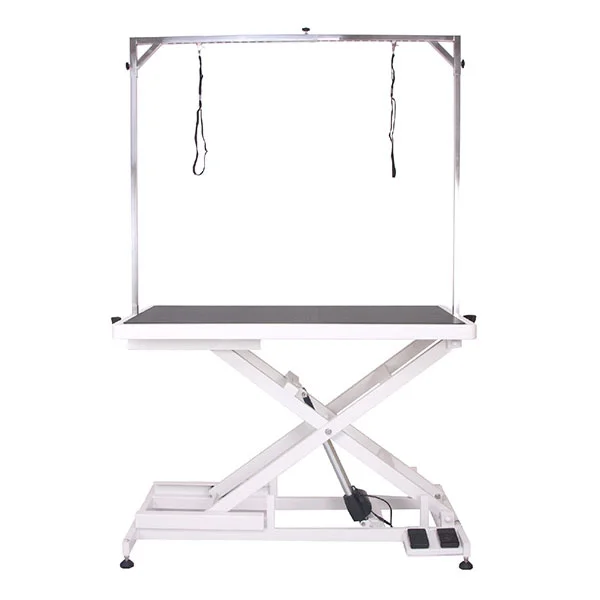
Fixed operating area: For home use, choose a non-slip mat/simple grooming table; for professional use, use a height-adjustable grooming table, and secure the pet with a grooming leash in advance (lightly securing the neck/chest, not too tightly);
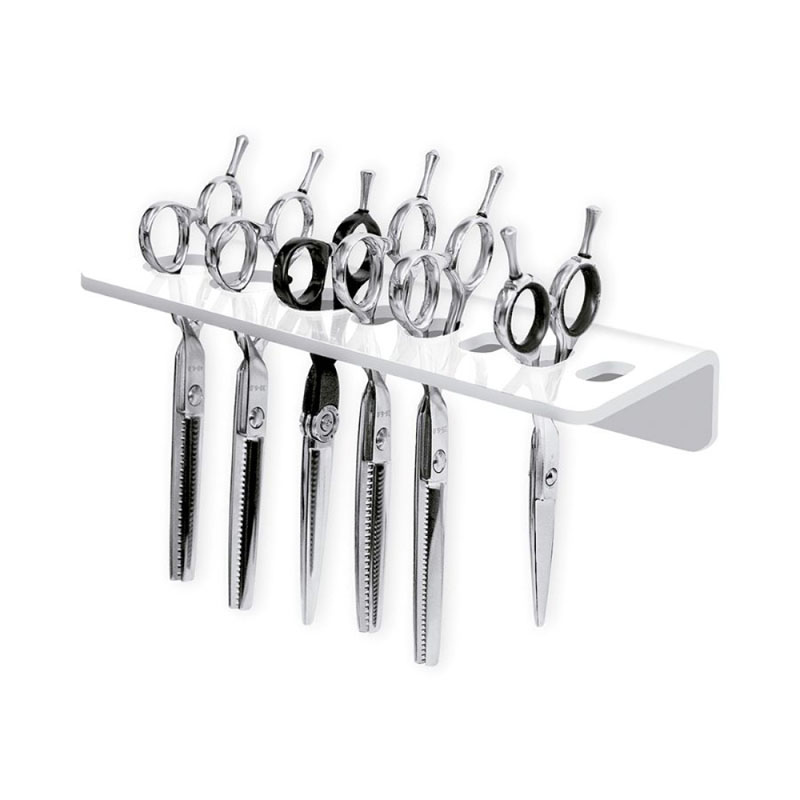
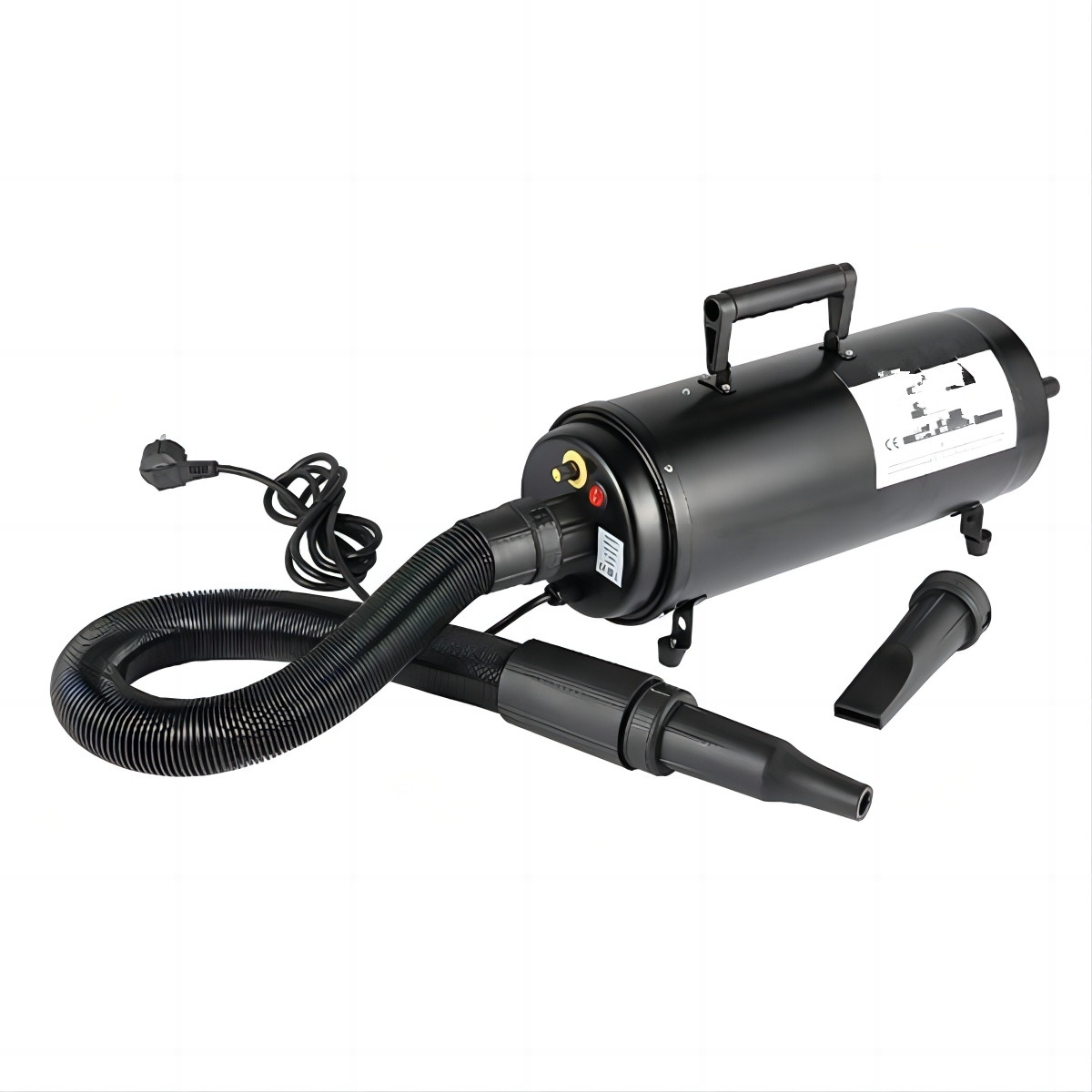
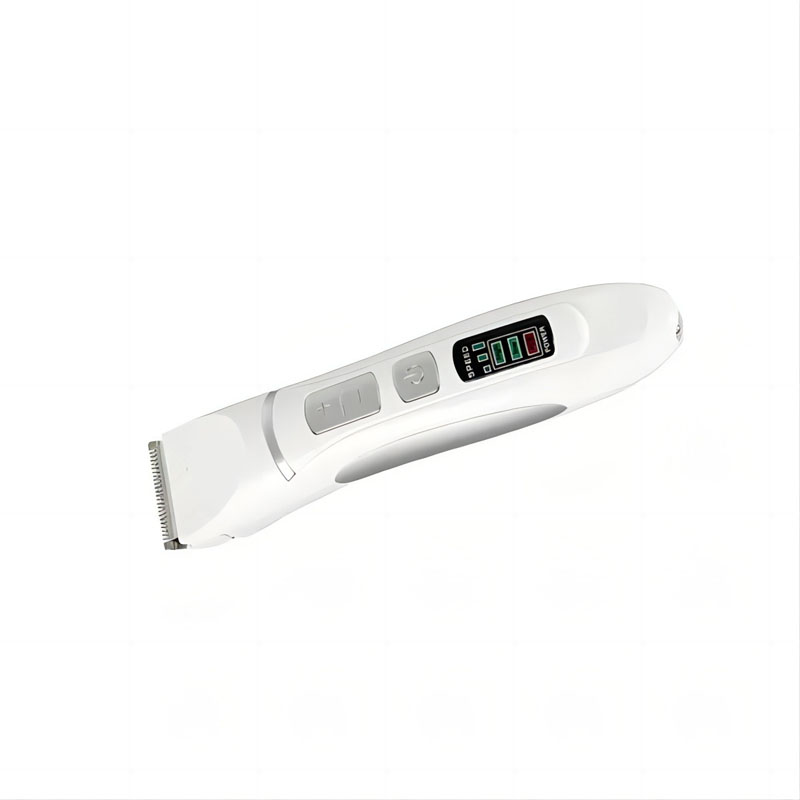
Complete set of tools: Arrange tools by category to avoid searching during the process (Basic: shampoo, absorbent towel, pet hair dryer, comb, round-tipped scissors, nail clippers; Professional: add electric clippers, thinning shears, ear cleaning solution, tear stain remover pads);
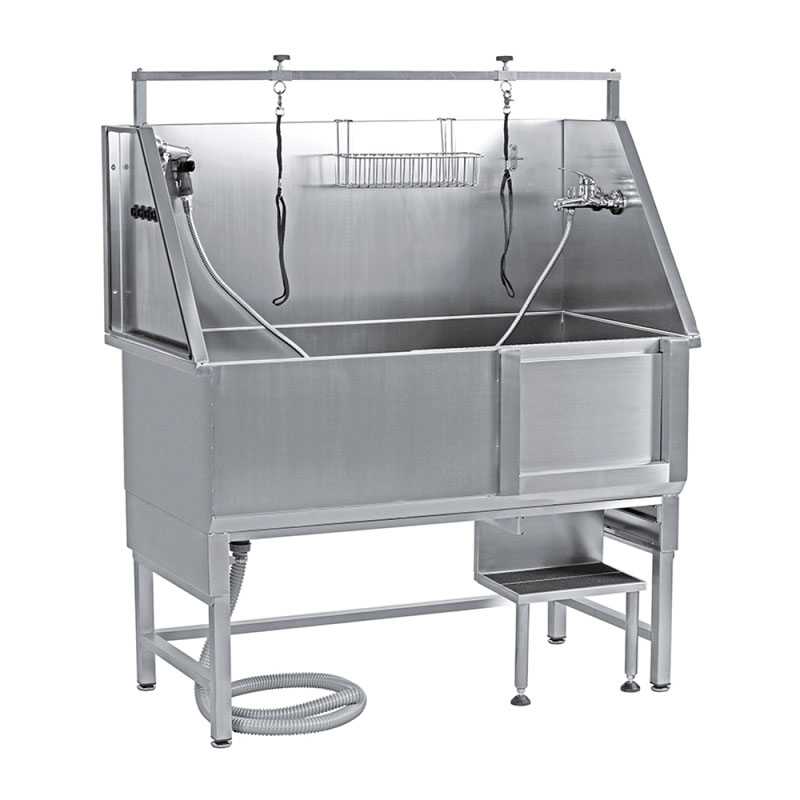
Temperature control: Control the temperature in the bathing area to 25-28℃ to prevent the pet from catching a cold. Dry the pet immediately after bathing and avoid placing them in a drafty area.